Posts

Desalination, Water And Climate Change
Image
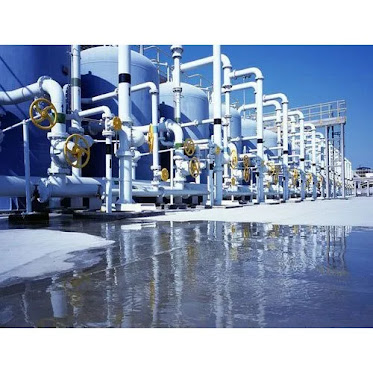
Desalination refers to the process of separating water from salt in sea water and brackish water. In essence, it is used to obtain freshwater from the vast resources of the sea. The global ocean covers 70% of all land on Earth and constitutes 97% of all water resources. That’s quite a big figure which makes oceans a viable source of water. With climate change, the impacts on water are quite significant. Climate change caused droughts are expected to increase water scarcity in many places, by drying out the land. This will affect surface water, because of high evaporation rates caused by consistent rising temperatures. Again, climate change causes changes in precipitation with rainfall quantity, distribution and seasonality affected. All this means that rainfall is no longer a very reliable source of freshwater. Climate change affects snowpack, with lesser amounts of snow in the cold months, which also melts earlier in the hot months of spring and summer. Snowpack is what feeds ri...

Water, Adaptation And Climate Change

Image
 Adaptation to climate change will to a very large extent involve water. The impacts of climate change are already being felt in the human and natural world and this will continue for the foreseeable future. Water will be the single most important factor involved in adaptation because of three reasons. One is because of how biologically important it is in the processes of life, two is its value in all economic sectors. Water is an invaluable component of both the natural and human world. The third reason is because water is affected by climate change. Rising temperatures occasioned by increasing amounts of atmospheric greenhouse gases interfere with the hydrological cycle at both the local and global levels. Accordingly higher temperatures are already causing increased glacier and ice melt and interrupting the processes of the cryosphere (the frozen parts of the Earth). Ice sheets both in polar and mountainous regions are melting at higher and faster rates. This melt is what gi...

COP 27 - The Outcomes

Image
  The 27 th conference of parties - the annual international climate summit - was concluded in Egypt on the 18 th of November 2022. These talks culminated in the Sharm-el-Sheikh Implementation Plan, which is the official outcome of the COP. Quite a number of decisions concerning different areas of climate change were taken at the meet, given that each day at the COP had a theme. Let’s look at what happened. The cover decision starts by upholding all decisions arrived at during previous conferences and further reaffirms the guiding principles of the convention and all climate change agreements under it, inclusive of the Paris Agreement and Kyoto Protocol. It affirms that all have the right to a clean healthy and sustainable environment, the right to health, the right to development and also mentions climate justice. To begin, mitigation received quite some attention. The document recognized that we need “rapid, deep and sustained cuts in greenhouse gas emissions of 43% by ...

Wrap Up 2022 - The Year In Climate

Image
2022 has been quite the eventful year in climate. There have been new developments in terms of policies and laws, several steps forward, but climate impacts continue throughout the whole world and emissions of greenhouse gases are the highest ever, and have yet to peak so as to start falling. Let’s begin with January which came hot on the heels of the Glasgow Pact, birthed at COP26 in the same city. A UN agency raised concern about drought in the Horn of Africa as Somalia in particular, which is one of the countries hard hit by climate change; this also worsens conflict in the area. Extreme weather connected to climate change continues as Tropical storm Ana hits the Southern African nations of Madagascar, Mozambique, Malawi and Zimbabwe in January causing untold damage, forcing displacements and taking 171 valuable African lives. The Amazon faces a bad run of deforestation losing about 360 kilometers of forest. Australia faces high extremes of temperature. The Global Risks Report fin...

Energy Efficiency And Climate Change

Image
Energy efficiency refers to the excellent, total and complete utilization of lesser amounts of energy to perform a particular task. In simple terms, it’s wholly using less energy to do more. Energy efficiency is one of the solutions used in climate change mitigation, alongside nature based solutions, carbon capture and storage and renewable energy. First, energy efficiency ensures that lesser amounts of energy are used and therefore lesser amounts of energy are generated. Given that fossil fuels contribute to slightly more than three quarters of energy used in the world, being energy efficient would reduce the amount of carbon emissions and other greenhouse gases released into the atmosphere. This is effectively climate action. Using energy efficiently can be applied everywhere but the main focus is industries, household use, transport and buildings In households, a lot of the energy consumed is by appliances. Using newer and more modern versions of appliances reduces the amount ...